Ever wondered what those numbers on your blood sugar test actually mean? If you’ve ever had a fasting blood sugar test, you might have glanced at the results and thought, “Is this good? Should I be worried?”
Understanding your blood sugar levels, especially fasting blood sugar, is key to managing your health and preventing issues like diabetes. Let’s break it down in a way that feels approachable and clear.
What Is Fasting Blood Sugar?
Fasting blood sugar is simply the level of glucose (sugar) in your blood after you haven’t eaten or drunk anything (except water) for at least 8 hours. This test is usually done first thing in the morning before breakfast.
Why fasting? Because it gives a baseline reading of how your body is managing sugar without the immediate influence of food.
Why Does It Matter?
Your body needs sugar for energy, but too much sugar in your blood can cause damage over time. The fasting blood sugar test is a snapshot of how well your body is controlling glucose levels when it’s “resting.” It can reveal if you have normal blood sugar, prediabetes, or diabetes.
Understanding the Numbers
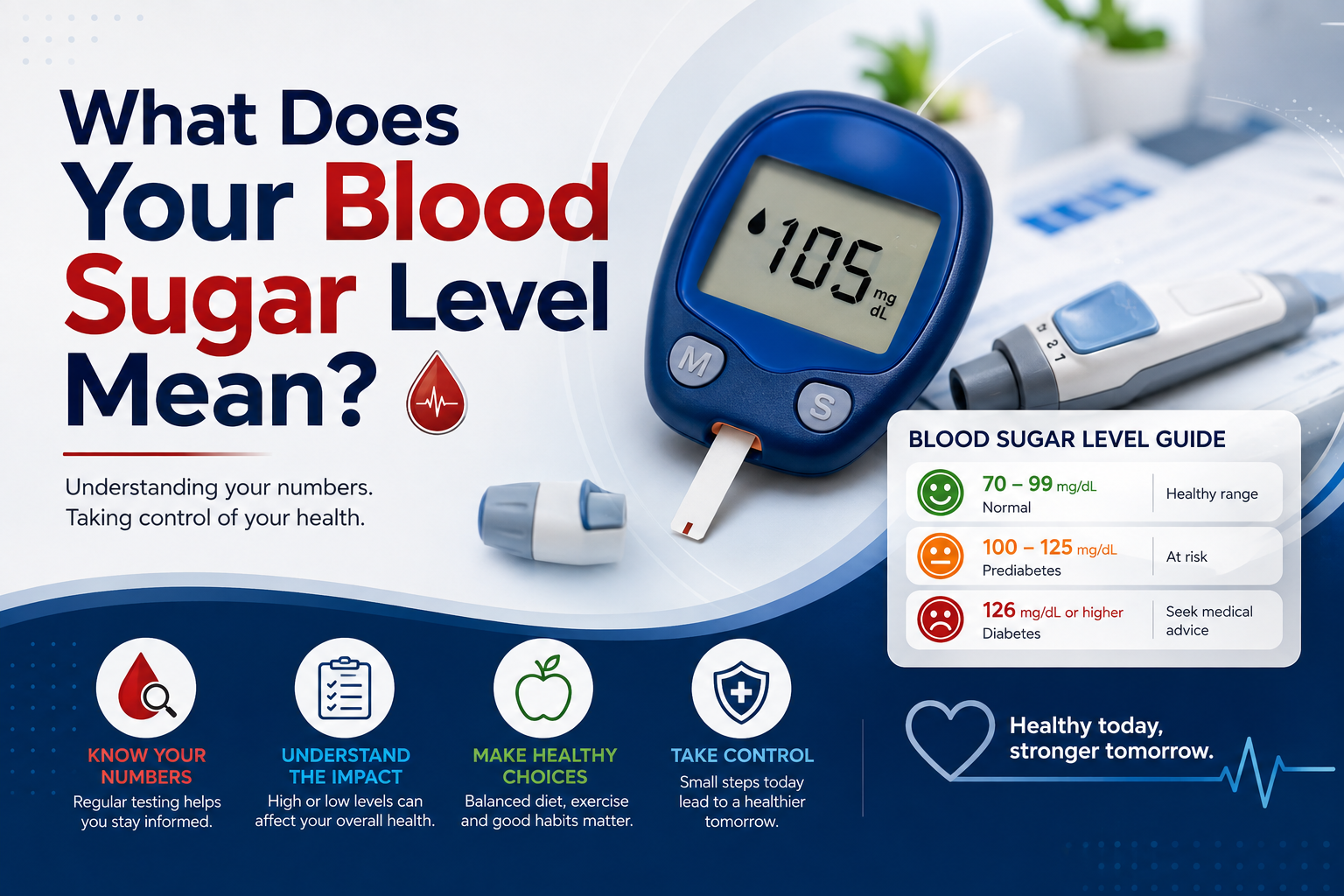
- Normal: Typically, a fasting blood sugar level below 100 mg/dL (5.6 mmol/L) is considered normal.
- Prediabetes: Levels between 100 and 125 mg/dL (5.6 to 6.9 mmol/L) suggest prediabetes, which means your blood sugar is higher than normal but not high enough to be diabetes. It’s a warning sign to make lifestyle changes.
- Diabetes: A fasting blood sugar level of 126 mg/dL (7.0 mmol/L) or higher on two separate tests usually indicates diabetes.
What Influences Your Fasting Blood Sugar?
Several factors can impact your fasting blood sugar level, including:
- Your diet and recent eating habits
- Physical activity or lack thereof
- Stress and sleep quality
- Medications and health conditions
- Body weight and insulin sensitivity
It’s important to remember that a single test result is part of a bigger picture. Your doctor may recommend additional tests or lifestyle assessments to understand your overall health.
What Can You Do?
If your fasting blood sugar levels are higher than normal, don’t panic. It’s often a chance to take control with some simple but effective steps:
- Eat a balanced diet rich in whole grains, vegetables, and lean proteins.
- Stay active with regular exercise tailored to your fitness level.
- Maintain a healthy weight or work toward it gradually.
- Manage stress through mindfulness, meditation, or hobbies.
- Follow your healthcare provider’s advice and get regular check-ups.
Wrapping Up
Understanding your fasting blood sugar is a powerful tool for staying healthy. It gives insight into how your body processes sugar and can guide you toward better habits before any serious issues arise.
Keep an eye on those numbers, but remember: they’re just one part of your overall wellness story.
Next time, we’ll dig into how different foods affect your blood sugar and practical tips to keep those levels steady throughout the day. Until then, take care of yourself—you’ve got this!