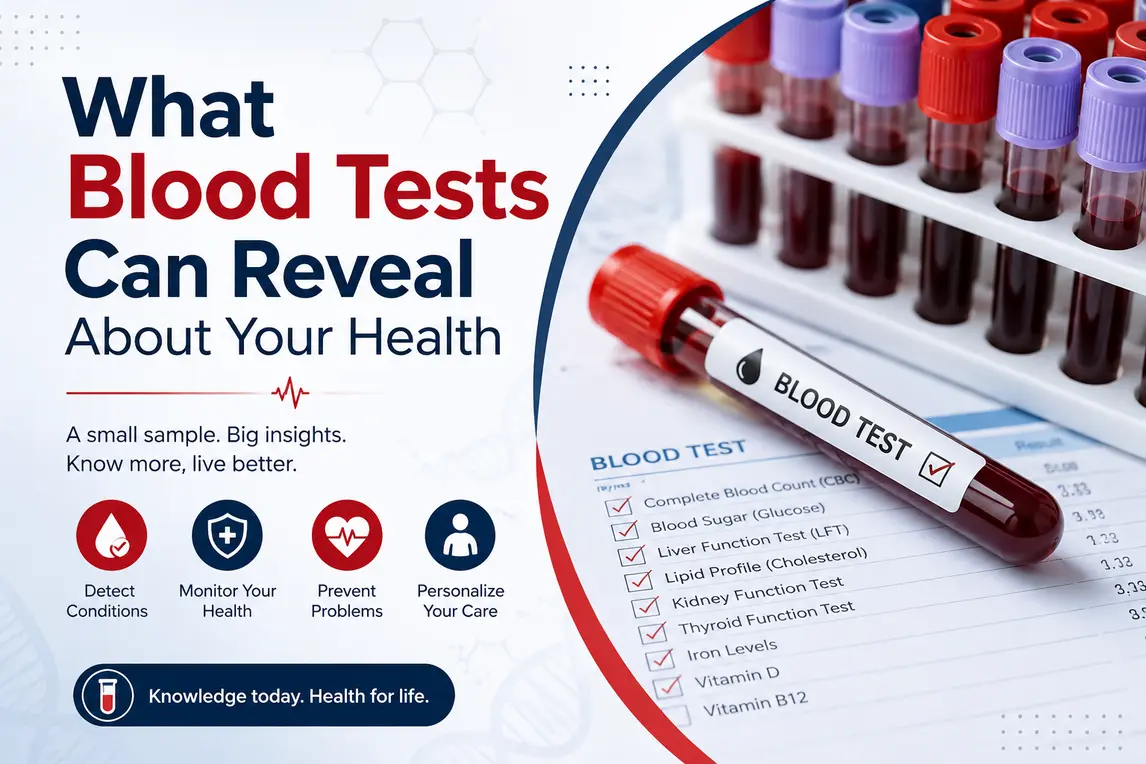
A single vial of blood carries an enormous amount of information. Within minutes, a lab can measure everything from your cholesterol and blood sugar to how well your kidneys, liver, and thyroid are functioning, often flagging problems long before you'd ever feel a symptom.
That's what makes a blood test one of the most valuable tools in preventive healthcare. Whether you're due for a routine physical or trying to make sense of results you already have in hand, understanding what these tests measure, and why, can help you take a more active role in your own health.
Why Blood Tests Matter
Blood circulates through every organ in your body, picking up chemical signals along the way: waste products from your kidneys, enzymes from your liver, hormones from your thyroid, and markers of inflammation or infection.
Because of this, a blood test can offer a surprisingly complete snapshot of your overall health from a single sample.
Many conditions, high cholesterol, prediabetes, thyroid disorders, anemia, and early kidney or liver dysfunction, develop silently, without obvious symptoms.
Routine blood tests are often the only way these issues surface early enough to treat them effectively.
Common Types of Blood Tests and What They Reveal
Complete Blood Count (CBC)
A CBC measures the different cells that make up your blood: red blood cells, white blood cells, and platelets.
It can reveal anemia, infection, inflammation, clotting problems, and certain blood cancers. Because it's quick and broadly informative, a CBC is often the starting point of any routine blood test panel.
Basic or Comprehensive Metabolic Panel (BMP/CMP)
This panel checks your blood sugar, electrolyte balance, and kidney function. A comprehensive panel adds liver enzymes and proteins into the mix.
Together, these markers can flag issues like dehydration, diabetes, kidney disease, or liver dysfunction — often before you notice anything is wrong.
Lipid Panel (Cholesterol Test)
A lipid panel measures LDL ("bad") cholesterol, HDL ("good") cholesterol, and triglycerides.
These numbers directly relate to your risk of heart disease and stroke, making this one of the most important routine blood tests for adults, especially those with a family history of cardiovascular disease.
Thyroid Function Tests
By measuring hormones like TSH, T3, and T4, this test evaluates how well your thyroid, the gland that regulates metabolism, energy, and mood, is functioning.
An overactive or underactive thyroid can cause fatigue, weight changes, and mood disturbances that are easy to mistake for something else entirely.
Blood Glucose and HbA1c Tests
These tests measure your blood sugar levels, either at a single point in time (fasting glucose) or as an average over the past two to three months (HbA1c).
They're central to diagnosing and monitoring prediabetes and diabetes, two conditions that often develop without obvious warning signs.
Liver Function Tests
By measuring enzymes and proteins produced by the liver, this test can detect inflammation, infection, or damage, often related to factors like alcohol use, medication side effects, or viral hepatitis, well before more serious symptoms appear.
Vitamin and Mineral Panels
Tests for vitamin D, vitamin B12, iron, and other nutrients can uncover deficiencies that contribute to fatigue, weakened immunity, or bone health issues, particularly in people with restrictive diets or certain digestive conditions.
How to Interpret Your Blood Test Results
Blood test results are typically reported alongside a “reference range,” the values considered normal for a healthy population. It's worth remembering that:
- Reference ranges can vary slightly between labs, so always compare your results to the range listed on your specific report.
- A single abnormal result isn't necessarily a diagnosis. Levels can shift due to hydration, recent meals, medications, stress, or the time of day.
- Trends over time matter as much as any single number. A value that's crept upward across several years can be more meaningful than one slightly elevated reading.
- Context is everything. Your doctor interprets blood test results alongside your symptoms, medical history, and other test findings, and not in isolation.
If any of your numbers fall outside the expected range, your provider may recommend repeat testing, additional follow-up tests, or simple lifestyle adjustments before jumping to further intervention.
How Often Should You Get Routine Blood Tests?
For most healthy adults, an annual blood test panel, typically including a CBC, metabolic panel, and lipid panel, is a reasonable baseline.
Those with existing health conditions, a family history of chronic disease, or specific risk factors may need more frequent testing, sometimes every three to six months.
Your doctor can help tailor a testing schedule based on your age, health history, and any symptoms you're experiencing.
Final Thoughts
A routine blood test is one of the simplest, most cost-effective steps you can take toward understanding your health.
It can reveal patterns and warning signs long before they become symptoms you can feel, giving you and your doctor the information needed to act early.
At Bioefficient Medical Diagnostics, we're committed to helping you make sense of your blood test results, not just hand you a printout of numbers. If it's been a while since your last panel, consider this your reminder: your blood has a lot to say about your health. It's worth listening.