Feeling fine isn't the same as being healthy. Many of the conditions that cause the most harm are high blood pressure, high cholesterol, diabetes, and certain cancers, develop silently for years before symptoms ever appear. By the time you notice something is wrong, the condition may already be advanced.
That's where a health screening test comes in. Screening tests are designed to catch problems early, often before you feel any different, giving you and your doctor the chance to act while treatment is simplest and most effective.
At Bioefficient Medical Diagnostics, we believe informed patients make healthier decisions, and it starts with knowing which tests matter most.
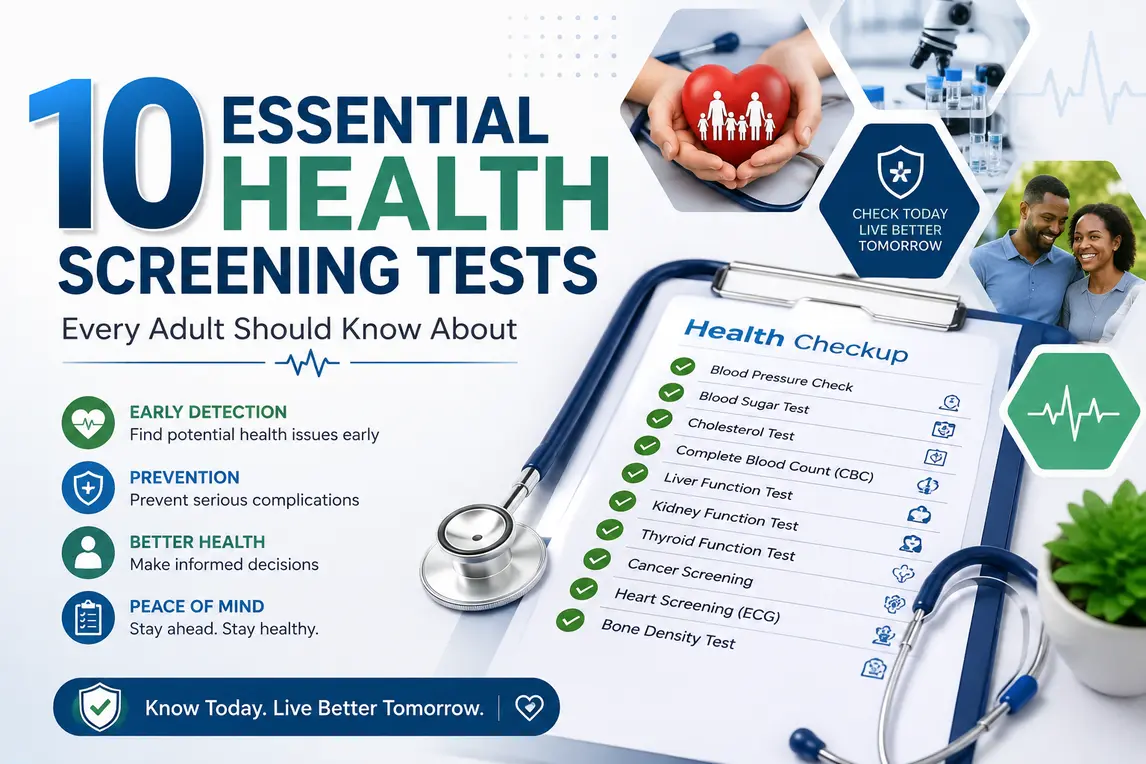
10 Health Screening Tests Every Adult Should Have
Here are 10 health screening tests every adult should have on their radar.
1. Blood Pressure Screening
High blood pressure is sometimes called a “silent” condition because it rarely produces noticeable symptoms, yet it's a leading contributor to heart disease and stroke.
Most healthy adults should have their blood pressure checked at least once every two years. If your readings run high, your doctor may recommend more frequent monitoring or lifestyle and medication adjustments.
2. Cholesterol Test
A cholesterol panel measures LDL (“bad”) cholesterol, HDL (“good”) cholesterol, and triglycerides in your blood. Elevated cholesterol contributes directly to plaque buildup in the arteries, raising your risk of heart disease.
Adults over 20 should be tested every four to six years, with more frequent checks recommended for those with a family history of heart disease or other risk factors.
3. Blood Glucose Test
This screening test checks how your body is managing blood sugar, helping detect diabetes or prediabetes before complications set in.
It's typically done through a fasting blood sugar test or an HbA1c test, which reflects average blood sugar over the past two to three months.
Adults over 45, or those who are overweight, sedentary, or have a family history of diabetes, should be screened regularly.
4. Body Mass Index (BMI) and Waist Circumference
BMI and waist circumference are quick, non-invasive measurements that help assess your risk for obesity-related conditions such as type 2 diabetes, heart disease, and certain cancers. These simple checks should be a routine part of every annual physical.
5. Colon Cancer Screening
Colorectal cancer is one of the most preventable cancers when caught early. Current guidelines recommend that adults begin screening at age 45, using a colonoscopy or a stool-based test such as a FIT test.
If polyps are found, they can often be removed before they ever become cancerous — making this one of the most impactful screening tests available.
6. Skin Check
A regular skin exam, performed by a dermatologist or as a self-check at home, can catch early warning signs of skin cancer, including melanoma.
This is especially important if you have a history of significant sun exposure, sunburns, or unusual or changing moles.
7. Bone Density Test
Bone density naturally declines with age, increasing the risk of osteoporosis and fractures.
Women over 65 and men over 70 should be screened with a bone density test (DEXA scan), and earlier screening may be recommended for those with additional risk factors, such as a family history of osteoporosis or long-term steroid use.
8. Eye Exam
Routine eye exams do more than check your prescription, they can detect glaucoma, diabetic retinopathy, macular degeneration, and other conditions long before vision loss occurs. Most adults should schedule a comprehensive eye exam every one to two years.
9. Hearing Test
Hearing loss tends to happen gradually, which means many people don't realize how much they've lost until it significantly affects daily life.
A simple hearing test can identify changes early, allowing for interventions that preserve quality of life and communication.
10. Immunizations and Vaccination Review
Screening isn't only about detecting disease — it's also about preventing it.
An annual review of your vaccination status ensures you're protected against flu, COVID-19, tetanus, shingles, and other preventable illnesses, particularly as immunity can wane over time.
Final Thoughts
Each of these health screening tests offers a window of opportunity, a chance to catch a problem while it's still manageable, or to confirm that everything is on track.
No single test tells the whole story, which is why a personalized approach matters. Talk to your healthcare provider about which screenings are right for you based on your age, family history, and lifestyle.
At Bioefficient Medical Diagnostics, our team is here to help you understand your results and build a screening schedule that fits your health goals.
Prevention and early detection remain the two most powerful tools in modern medicine. Don't wait for symptoms, stay proactive, and make health screening tests a regular part of your care.